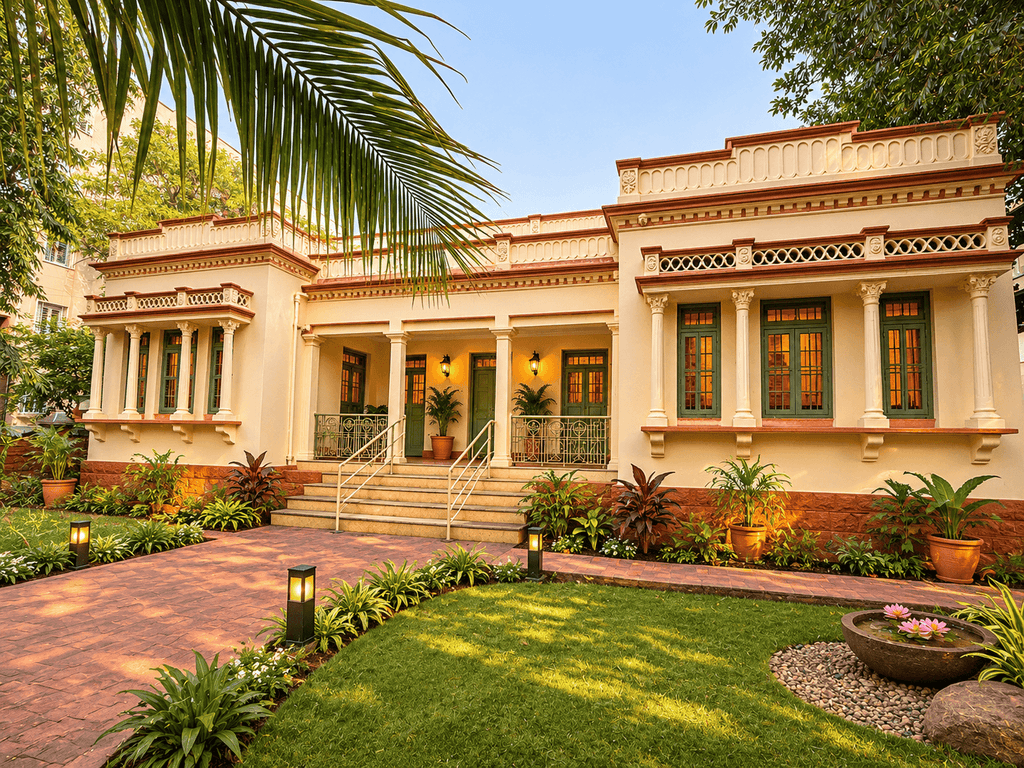
A home is more than just a structure made of bricks, mortar and timber. It holds memories, reflects generations of craftsmanship and tells stories through its architecture. In a city like Bangalore, where traditional homes stand alongside rapidly developing urban spaces, heritage homes represent an irreplaceable part of our architectural and cultural identity.
However, many of these beautiful old houses face the challenges of ageing structures, deteriorating materials, outdated plumbing and electrical systems, inadequate ventilation and changing lifestyle requirements.
Why Heritage Homes Deserve Restoration
Bangalore has a rich architectural history reflected in its traditional residences, colonial-era bungalows, courtyard houses and old family homes.
These properties often feature architectural elements that are increasingly difficult to replicate today:
- Traditional wooden pillars, beams and rafters.
- Spacious verandahs and internal courtyards.
- Mangalore tiled roofs and sloping roof structures.
- Intricate wooden doors, windows and decorative elements.
- Natural stone flooring and traditional construction materials.
- High ceilings designed for natural ventilation.
- Unique architectural proportions and spatial arrangements.
Unfortunately, many of these features are lost during conventional renovation projects.
Restoration offers an opportunity to retain these architectural details while extending the life of the building and making it suitable for modern-day requirements.
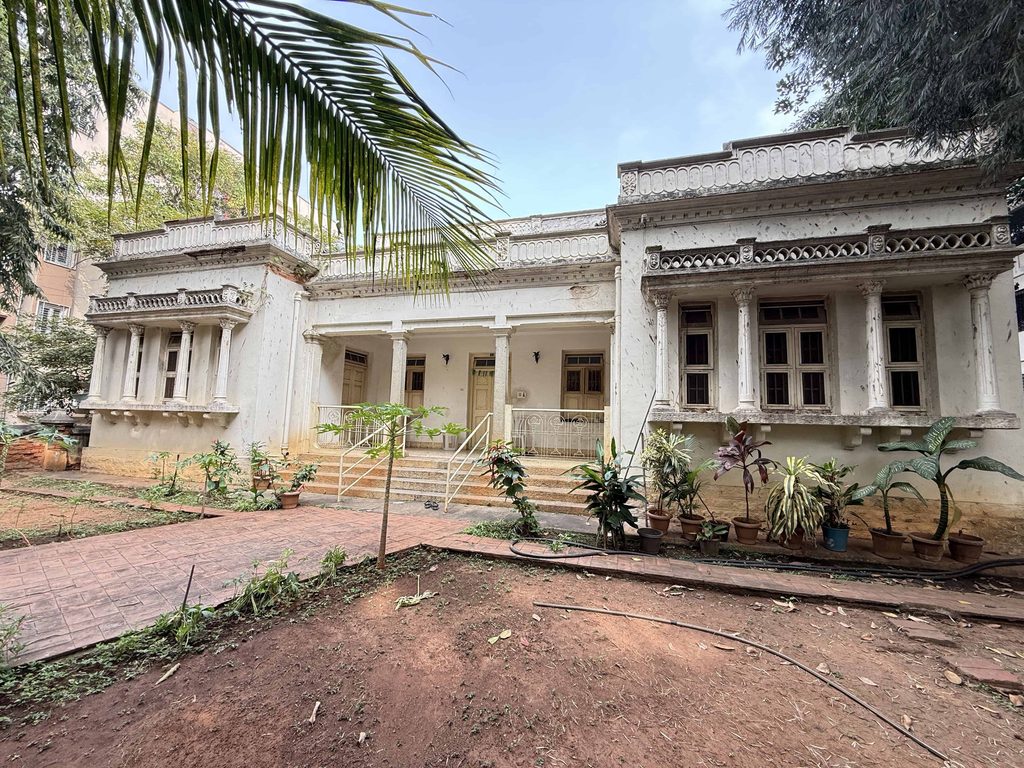
Restoration vs Renovation: Understanding the Difference
Although the terms restoration and renovation are often used interchangeably, they have different objectives.
Heritage restoration focuses on preserving and bringing back the original architectural character of a building. It involves repairing existing materials, retaining original features and recreating elements that may have deteriorated over time.
Heritage renovation, on the other hand, focuses on improving the functionality, comfort and usability of an existing home. This may include redesigning spaces, upgrading kitchens and bathrooms, improving electrical and plumbing systems and introducing modern amenities.
A successful heritage home project often combines both approaches.
The objective is to preserve what makes the house special while improving everything that makes it difficult to live in today.
Common Challenges in Restoring Old Homes in Bangalore
Restoring an old property requires a different approach from constructing a new house. Every building has its own structural history, construction techniques and material conditions.
Here are some of the common challenges encountered during heritage home restoration.
1. Structural Deterioration
Over time, buildings may develop cracks, weakened foundations, damaged roof structures and deteriorating masonry.
Before undertaking any restoration work, a detailed structural assessment is essential. Identifying the underlying causes of damage helps determine whether the structure requires strengthening, partial reconstruction or specialised repairs.
2. Roof and Waterproofing Problems
Traditional tiled roofs and ageing terrace structures can develop leakage due to damaged tiles, deteriorated timber members, inadequate drainage and failed waterproofing.
Restoration should address the root cause rather than simply covering visible leaks with temporary solutions.
3. Preserving Original Wooden Elements
Traditional homes often contain beautiful wooden doors, windows, columns, staircases and ceiling members.
Instead of replacing them unnecessarily, restoration techniques can help retain their original appearance and character. Depending on their condition, these elements may require cleaning, polishing, carpentry repairs or specialised treatment.
4. Outdated Electrical and Plumbing Systems
Older houses were designed for a very different lifestyle.
Modern households require additional electrical points, lighting systems, appliances, bathrooms, water supply arrangements and efficient drainage.
Integrating these systems without disturbing the original architectural features requires careful planning and execution.
5. Improving Natural Light and Ventilation
Many traditional Bangalore homes were designed around courtyards, verandahs and high ceilings.
A thoughtful renovation can retain these elements while improving natural lighting, cross-ventilation and indoor comfort.
How to Modernise a Heritage Home Without Losing Its Character
One of the biggest mistakes in renovating an old home is treating it like a completely new construction project.
The objective should not be to erase its identity but to create a harmonious relationship between traditional architecture and contemporary design.
Here are some ways to achieve this.
Preserve the Original Architectural Elements
Retain original doors, windows, wooden beams, columns, flooring and decorative details wherever they are structurally sound and practical.
These elements contribute to the home’s individuality and cannot always be reproduced with the same craftsmanship.
Introduce Contemporary Interiors
Modern furniture, thoughtfully designed kitchens, functional wardrobes and well-planned storage solutions can transform the usability of an old home.
The key is to select materials, colours and finishes that complement the original architecture.
Upgrade Kitchens and Bathrooms
Kitchens and bathrooms are among the most frequently upgraded spaces in heritage renovation projects.
Introducing contemporary sanitaryware, efficient plumbing, modern kitchen layouts and durable finishes can significantly improve everyday comfort.
Retain Traditional Materials Wherever Possible
Natural stone, timber, clay tiles and lime-based finishes can help maintain the original character of a building.
Wherever appropriate, traditional materials can be combined with contemporary construction techniques to achieve durability and visual consistency.
Create a Balance Between Old and New
A heritage home does not have to look outdated to retain its authenticity.
A contemporary lighting scheme, modern furniture, discreet electrical fittings and carefully selected finishes can complement traditional architectural features beautifully.
This is where heritage home restoration and renovation in Bangalore becomes important.
At Inkstone Infra, we believe that restoring an old home is not simply about repairing what is broken or giving it a modern makeover. It is about understanding its architectural identity, respecting its history and thoughtfully adapting it to meet the needs of contemporary living.